The World Organisation for Animal Health lists over 200 diseases transmissible between animals and humans. Yet, less than half of pet owners are truly familiar with specific preventive protocols. In veterinary clinics, animals affected by stress, anxiety, or confusion caused by urban life and the frantic pace of our schedules are no longer an exception.
Seriously investing in animal welfare changes the game. A calm animal, refined communication, a bond that strengthens day by day. Care techniques, just like educational methods, are evolving and moving quickly. Making the effort to stay informed is not trivial: it is the guarantee of a quality of life for the animal… and for its human.
Animal Welfare: A New Direction for the Human-Animal Relationship
The topic of animal welfare has taken on a whole new dimension in recent years. Dogs, cats, or ferrets: they are no longer treated as mere living furniture. The definition set by the World Organisation for Animal Health is clear: ensure physical and psychological well-being, prevent any suffering that can be avoided, allow the animal to explore, react, and live without fear and constraint. This is a whole philosophy that now infuses the law and collective perspective.
The legal framework is changing in France: recent decrees, European texts, back-and-forth on transfer and ownership, and a battery of measures to strengthen the protection of companion animals. The national plan boldly asserts the need for vigilance in managing animal life.
Today, taking on an animal means accepting an expanded responsibility. Providing shelter and food is no longer enough. The law strictly regulates identification, requires continuous care, and imposes respect for their fundamental needs. Too young, sick, or fragile? No longer an option to sell an animal under these conditions. Rights and duties are now aligned in service of animal health.
For those wishing to delve deeper into the legal obligations and better understand how to act, a central resource allows for further exploration: learn more about 4 Pattes d’Amour. This page details the entire approach and concrete practices in favor of animal rights and freedoms, placing the quality of life of companions at the heart of the home.
Everyday Realities: Nutrition, Hygiene, and Constant Attention
Having an animal means engaging in a series of simple, repeated actions. Properly feeding, providing clean water, ensuring that the living space is healthy and suitable for each age… Taking good care of a companion involves a meticulous routine, tailored to the personality and physical needs of each species. The veterinarian remains the reference, adjusting prescriptions and advice over time.
Preventing diseases, tackling parasites, monitoring dental health, keeping an eye on weight gain: prevention shapes animal health. Neutering one’s animal often becomes necessary to limit unwanted litters and avoid various issues, both behavioral and health-related.
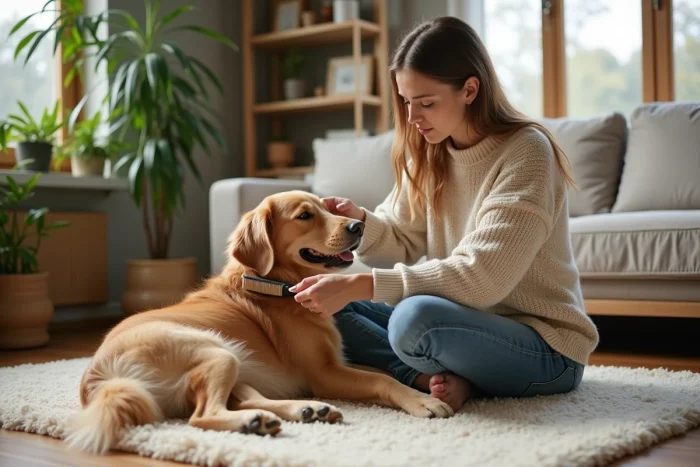
Hygiene goes far beyond occasional grooming. Brushing the coat, cleaning the ears, gently trimming the nails, observing the eyes: each action prevents a host of problems and ensures comfort and dignity. The most vulnerable, young animals or seniors, require heightened attention and an even safer environment.
The true alchemy lies in the emotional bond. Playing, petting, massaging, multiplying positive interactions, varying toys or walks: this is what calms, relaxes, and protects against stress. Behavioral and cognitive development is built during these moments of exchange and controlled freedom.
Different aspects require constant vigilance to provide the animal with real stability:
- Ensuring respect for all its needs, both physiological and mental
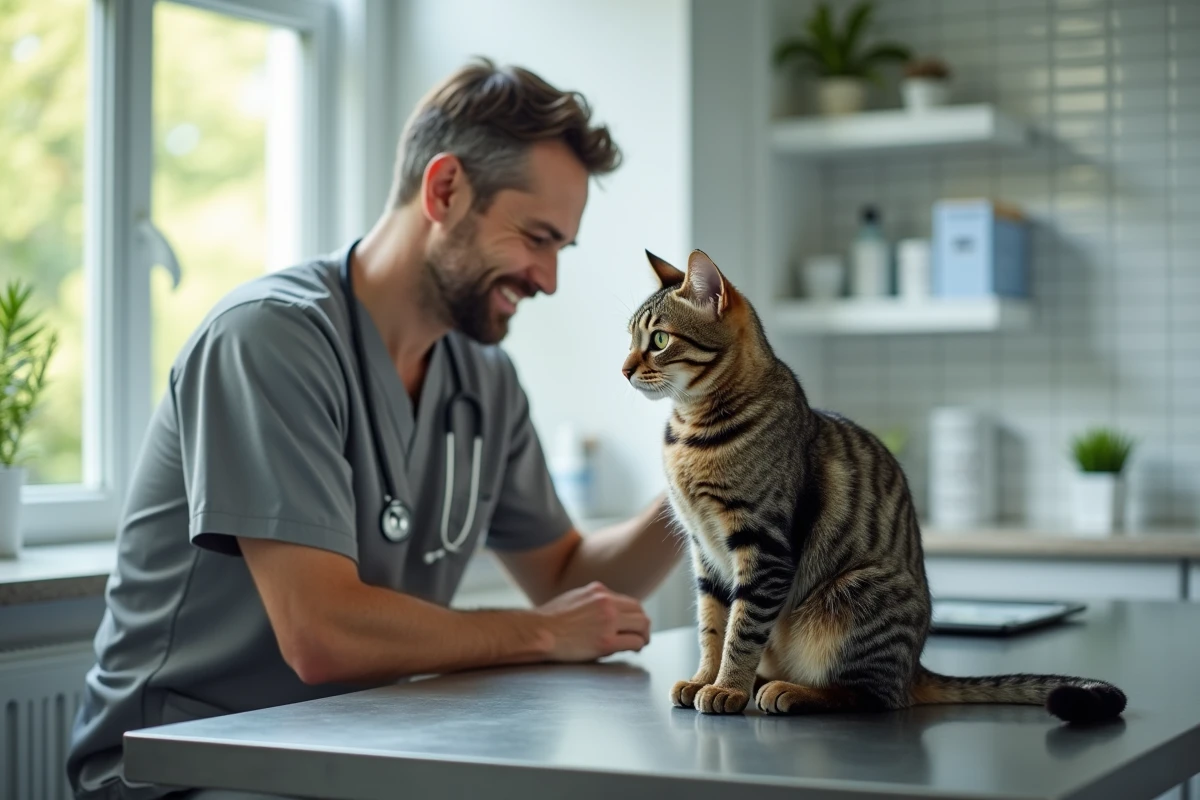
- Anticipating follow-up veterinary appointments rather than going in an emergency
- Adapting the living environment and comfort care over the years
Equipping and Training: Paths to Progress with Your Animal
Training, Resources, New Practices: A Focus on Knowledge
Training is about rewriting the relationship. We understand better, we anticipate, we react differently. The new needs of our society push for a multiplication of modalities: in-person training, webinars, interactive content, everything is tailored for the public, but also for professionals in animal care or advice.
The offered panel is wide: behavioral education, animal communication, basics of animal naturopathy, first aid gestures, anxiety management, energy healing, use of bioresonance or Tibetan bowls to relax or support mental vitality. The key themes of well-being are increasingly embedded in every program.
To make informed choices, here are the main topics covered in most training sessions:
- Healthy living, quality nutrition
- Daily rituals to enhance balance and serenity
- Fundamental concepts on emotional needs and the sensory environment
Now, careers in animal sales require a solid foundation: knowing how to explain physiological needs, provide tailored advice, guarantee health follow-up or identification. Training organizations (ENSV, INFOMA) also educate those who oversee animal protection, by monitoring compliance with practices on the ground.
On the practical side, online training platforms are gaining ground. They offer evolving content, adjusting to the rhythms of everyone, from the curious owner to the expert seeking specialization. But selection remains key: opting for updated materials aligned with French advancements in ethology and veterinary practices ensures an authentic and ethical understanding of animal welfare.
Each step towards knowledge weaves a little more trust, transforming the animal into a true life partner. Tomorrow, in every home, this different perspective could make cohabitation not only harmonious but inspiring.